Is a Portable Dishwasher Good for an Apartment or Rental?

A portable dishwasher fits an apartment or rental when you have a standard faucet hookup, enough floor space, and a place to roll or store it. Miss one of those, and the machine quickly turns into a daily hassle. Skip the limits and you can face leaks, a blocked sink, lost cabinet space, and an appliance you stop using. This guide checks the floor space, faucet, storage, and lease details that decide whether a portable dishwasher fits your unit.
Portable dishwasher basics
A portable dishwasher is a wheeled appliance that connects to a sink faucet with an adapter. It is built for apartments, trailers, and RVs, and it can hold more than a countertop model. Many units are around 18 to 24 inches wide, about 36 to 37 inches tall, and about 26 to 30 inches deep.
That size range changes how the machine fits in a tight kitchen, how easily you can roll it past cabinets, and whether it can sit under a counter edge when stored. Some models also include a butcher-block top, which lets them work as a side cart when parked.
How it differs from a built-in dishwasher
A built-in dishwasher installs under the countertop and ties into home plumbing. A portable dishwasher uses a faucet adapter and temporary hose connection instead, so it avoids permanent plumbing work. Built-ins usually offer larger capacity and more features, but they also need the right cabinet opening and a fixed water line.
How it differs from a countertop dishwasher
A countertop dishwasher sits on the counter and is much smaller. Countertop units usually wash only four to six place settings and use around 2 gallons of water, which makes them useful for very small households. A portable dishwasher is larger and usually holds more dishes, so it better suits renters who cook more often and can spare floor space.
Is a portable dishwasher good for an apartment?
Yes, if your apartment has room to park it, a faucet it can connect to, and a sink you can do without during a cycle. Portable dishwashers can fit studio kitchens, galley layouts, and rentals where a built-in machine is not possible. They are a poor fit when the kitchen has almost no floor space or when the sink is too important to lose for an hour or more.
Best-fit apartment layouts
Portable dishwashers work best in apartments with a clear strip of floor beside the sink, a faucet the adapter can reach, and enough room to open nearby cabinets and drawers. A galley kitchen often works if the appliance can park at the end of the run. Shared rentals can also work, but only when everyone agrees on where it will live.
A common example is a one-bedroom with about a 24-inch gap next to the sink and a standard faucet. That is the kind of layout where a portable unit can feel practical instead of crowded.
When it is a poor fit
It becomes a bad fit when the only usable floor space blocks a walkway, when the sink sits under a low cabinet that limits hose movement, or when the unit has nowhere to be stored. It is also awkward in a one-sink apartment if you need that sink for cooking, rinsing produce, and filling pots while the dishwasher runs.
A common first-time mistake is buying the machine for capacity and then finding that the kitchen has nowhere to stage it between cycles. The machine only helps if it can live somewhere without becoming a daily obstacle.
Is a portable dishwasher allowed in a rental?
Often yes, but that depends on the lease and the landlord’s rules. Because a portable dishwasher does not need permanent plumbing, it is often easier to approve in rentals than a built-in unit. Still, some rentals restrict appliances that need hose connections, faucet changes, or extra water use in a shared building.
Lease and landlord checks
- Read appliance clauses. Look for language about added appliances, water hookups, or alterations to fixtures. If the lease bars plumbing or faucet changes, that can rule out the unit before you buy.
- Ask about temporary connections. Confirm that a removable hose connection is acceptable and that you will not be charged for normal wear on the faucet aerator. Keep the answer in writing if possible.
- Check shared-space rules. In a rooming house or shared rental, make sure a portable dishwasher will not block common access to the sink, hallway, or kitchen outlets. The machine needs a stable place that does not interfere with others.
Temporary faucet connection limits
Portable dishwashers rely on a faucet adapter and a sink hookup, so the appliance must fit the rental’s plumbing without permanent changes. That makes them friendlier to renters than built-ins, but it also means the faucet has to cooperate. If the sink setup is unusual, approval alone will not solve the fit problem.
Portable dishwasher fit checklist
Use this checklist before buying. It separates the apartment question from the faucet question, because both need to work for the machine to be useful. A “yes” in one column does not fix a “no” in another.
| Apartment layout | Faucet compatibility | Storage status | Recommendation |
|---|---|---|---|
| Enough floor space for an 18 to 24 inch wide unit; doorway and cabinet clearance are clear | Threaded spout present, or aerator can be removed for an adapter | Cabinet, closet, or parked corner available; sink stays reachable | Good fit for a rental if the lease allows temporary hookups |
| Narrow galley kitchen with tight turning space but one open parking spot near the sink | Standard faucet with a compatible adapter | Unit can stay rolled beside the counter when not in use | Possible fit, but measure carefully before buying |
| Studio kitchen with no spare floor space and a single-basin sink | Compatible faucet, but connection takes the only sink offline during the cycle | No cabinet or closet space for storage | Poor fit; a countertop dishwasher may be better |
| Shared rental where the sink must stay available for other people | Adapter works on paper, but access conflicts with shared use | Storage space exists, but moving it in and out would be frequent | Usually a poor fit unless the household agrees on a schedule |
Will it connect to your sink faucet?
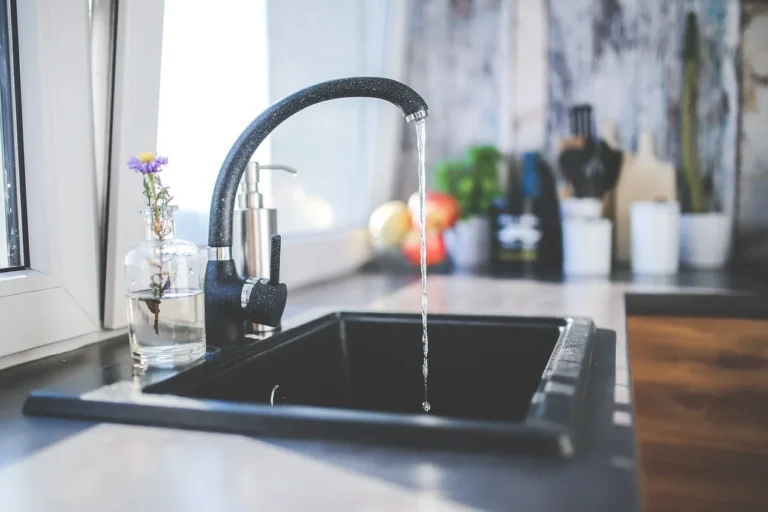
Maybe, but not to every faucet. Portable dishwashers need a faucet adapter, and threaded spout compatibility matters. Some sinks accept the adapter easily; others need aerator removal first, and some faucet styles simply do not work well. This is the most common make-or-break issue in rentals.
Threaded spout compatibility
Many portable dishwasher adapters fit a threaded sink spout. If the faucet has the right threads, connection is straightforward. If it does not, the adapter may not seal correctly, which can lead to leaks or a hose that will not lock in place.
- Inspect the spout end. Check whether the faucet tip is threaded and whether the aerator can be removed. That is the fastest way to tell if the adapter has a real chance of fitting.
- Match the adapter type. Choose the adapter specified for the faucet style, not just a “universal” claim on the box. A mismatched adapter is where many sink leaks start.
- Test the seal briefly. Run water for a short check before a full cycle. If the connection drips, you need a different adapter or a different faucet plan.
Sprayer faucets and aerator removal
Sprayer faucets can be incompatible because the head often does not provide the same stable threaded connection as a standard spout. In some setups, you may need to remove the aerator to attach the adapter. If the faucet design does not allow a secure connection, the unit is a bad choice for that kitchen.
Suppose the apartment has a pull-out sprayer and no separate threaded spout. Even if the rest of the kitchen looks suitable, that faucet can stop the purchase from being practical.
How much space and noise does it need?
Space and noise are the two apartment-fit details renters usually notice first. Portable dishwashers are commonly around 18 to 24 inches wide and up to about 30 inches deep. Quieter portable units can be around 55 dBA, while typical dishwashers are often 63 to 66 dBA, which matters in a small kitchen or near a studio sleeping area.
Size and storage needs
Measure the parking spot, the path from storage to sink, and the clearance around cabinet doors. Depth matters as much as width because a 30-inch-deep unit can block a walkway faster than expected. Height also matters if you plan to slide it under a counter edge or keep it near upper cabinets.
If you need to roll it out from a closet before each load, make sure the path is flat and wide enough to turn the unit without scraping trim. Wheels help, but they do not solve a too-narrow layout.
Noise levels in apartments
Noise rating is measured in dBA. A quieter portable dishwasher around 55 dBA is easier to live with in a small apartment than a typical unit in the 63 to 66 dBA range, especially if the kitchen opens into a living room or bedroom. Even so, a dishwasher running at night can still be noticeable in a studio.
That matters in thin-walled rentals. If your apartment has a sleeping nook beside the kitchen, a few dBA can decide whether the machine fades into the background or interrupts the room.
How many dishes can it clean at once?
A portable dishwasher can wash as much as some built-in dishwashers, so it is not just a small-appliance compromise. That larger capacity is one of its main advantages over countertop models, which usually wash only four to six place settings. For renters who cook at home, that difference can decide whether the machine gets used daily or only for light loads.
The right choice depends on household size and cooking habits. If you regularly run pans, bowls, and full dinnerware sets, the portable model is usually the better size class. If you mostly wash a few plates and cups, the countertop version may cover the need with less space pressure.
Can you use one in a rental?
Yes, if the lease allows it and the faucet setup works. Portable dishwashers are often more rental-friendly than built-in units because they do not require permanent plumbing, but the apartment still has to support a temporary sink connection. If the landlord bans faucet adapters or the sink is shared, the answer can change fast.
What to check before buying
- Measure the layout. Confirm the unit can fit in 18 to 24 inches of width and can roll through the kitchen without trapping cabinet doors. Include door swings and drawer pulls in the measurement.
- Verify faucet compatibility. Check for a threaded spout, removable aerator, or a faucet style that accepts the adapter. Do not assume every sink works the same way.
- Plan the storage spot. Decide where the machine will live when not in use. If storage would block the sink, the value of the appliance drops quickly.
- Decide on sink downtime. Make sure losing sink access for a wash cycle is acceptable. In a one-sink apartment, that hidden tradeoff can matter more than capacity.
Storage after use
A portable dishwasher can work if you need to store it after use, but storage has to be easy enough that you will actually move it. If the machine must be lifted over thresholds or squeezed behind furniture, it becomes more hassle than help. A parked unit with easy wheel access is much more realistic for renters.
Is a countertop dishwasher better than a portable dishwasher for renters?
Sometimes yes. A countertop dishwasher is a better choice when floor space is scarce, the household is small, and you can spare counter space for a compact unit. Its smaller capacity, around four to six place settings, is often enough for one person or a couple who cook lightly. It also uses around 2 gallons of water, which can suit low-volume dishwashing.
A portable dishwasher is usually better when you want more capacity and can give up floor space instead of counter space. If your apartment has a good faucet hookup and a place to roll the unit away, the larger machine is often the more practical long-term option. If not, the countertop model is the safer buy.
Frequently asked questions
How much space does a portable dishwasher need in a small kitchen?
Most portable dishwashers range from 18 inches wide to 24 inches wide, with depth reaching about 30 inches. You also need room to roll it to the sink, open nearby cabinets, and keep a path clear. A narrow galley kitchen can work, but only if the parking spot is truly open.
Can a portable dishwasher hook up to any sink faucet?
No. It needs a faucet adapter, and threaded spout compatibility matters. Some faucets need aerator removal, while sprayer or pull-out designs may not fit well at all. Before buying, check the spout shape and confirm that the adapter can make a secure seal.
How noisy is a portable dishwasher in an apartment?
Noise varies by model, but quieter portable units can be around 55 dBA. Typical dishwashers are often 63 to 66 dBA, which can feel louder in a studio or near a bedroom wall. In a small apartment, a few dBA can make a noticeable difference.