Vacuum Not Picking Up on Carpet: What Causes It?

If your vacuum picks up on hard floors but not carpet, the usual causes are a clogged brush head, a stalled brush roll, the wrong carpet-height setting, or weak airflow. If pickup is poor everywhere, airflow is the first suspect. Dirt stays deep in the pile, and the motor works harder. This guide shows how to tell brush problems from suction-path problems and which fix to try first.
What you’ll need
- Scissors or a seam ripper for hair wrap
- Flashlight or phone light
- Dry cloth or paper towel
- Replacement filter if yours is non-washable and worn
- Owner’s manual for belt, filter, and head settings
- Trash bag for emptied dust and debris
Why does carpet expose weak pickup first?
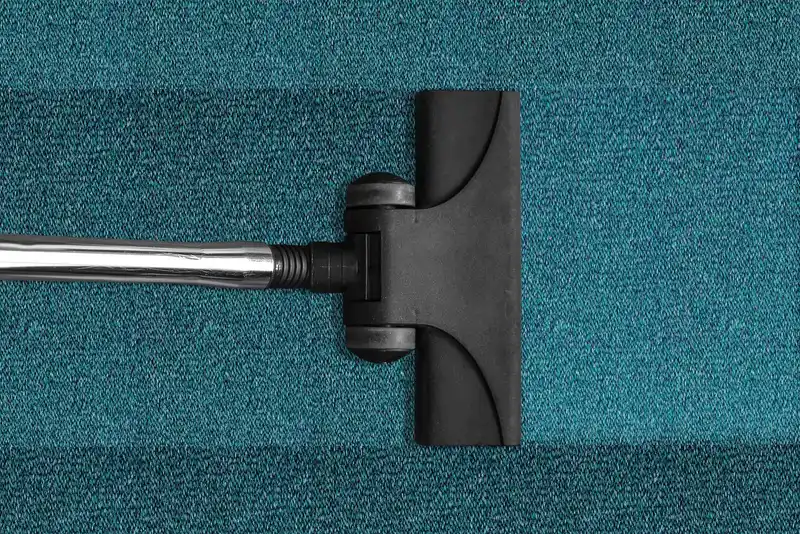
Carpet is harder work for a vacuum than hard flooring. Fibers hold grit below the surface, so weak airflow, poor brush contact, or the wrong head height shows up there first. A machine can still seem fine on tile while leaving debris in pile because the carpet needs both suction and agitation.
That is why the same vacuum may look healthy at the wand, yet struggle once the floor head meets thick fibers. The carpet is the stress test.
Carpet pickup diagnosis table
This table helps you separate airflow faults from brush and seal faults before you start replacing parts.
| Symptom pattern | Most likely cause | Next test |
|---|---|---|
| Brush spins but leaves debris | Hair wrap, stalled brush roll, or poor contact with the pile | Lift the head, run it on carpet, and check whether the brush keeps turning and reaches the fibers |
| Works on hard floor but not carpet | Wrong height setting, weak brush agitation, or a clogged head inlet | Move to the carpet setting and inspect the suction channel and U-bend |
| Weak at head but strong at wand | Cleaner head blockage or a leak in the head assembly | Disconnect the head and compare suction at the wand opening with the head inlet |
| Strong at head but weak at wand | Hose, wand, or airway clog | Remove both ends of the hose and do a light test through the tube |
| Pickup fades after a few minutes | Filter loading, dust bin overfill, or fine dust reducing cyclone efficiency | Check the bin, pre-motor filter, and HEPA filter condition |
How do you check airflow problems?
If suction is weak on carpet and also weak at the wand, start with airflow. A full dust bin or clogged filters are common causes of lost suction. Then check the hose, wand, and inlet duct for hidden clogs or air leaks before you move to the brush head.
Empty the dust bin. Dump dust and debris before it reaches the MAX line, then close the bin until the latch clicks. Packed debris can choke airflow even when the bin does not look full.
Inspect the filters. Remove the pre-motor filter and post-motor or HEPA filter, tap out loose dust, and wash only parts marked washable. HEPA filters are usually cleaned every three to six months, and washable HEPA filters should dry for at least 24 hours before reinstalling.
Check the hose and wand. Detach both ends and hold the tube up to a light. Look through the hose and wand from end to end. Dyson troubleshooting recommends clearing blockages in the wand, hose, or inlet duct; a blocked tube often feels weak even when the motor still runs.
If the vacuum still pulls well at the bare wand but not at the carpet head, the main suction path is less likely to be the problem. That points to the cleaner head, brush roll, or setting.
Why does the brush roll spin but leave debris?
A spinning brush does not always mean the carpet is getting enough agitation. Hair wrap can slow the roll, end caps can drag, and the brush may ride too high to reach into the pile. Older upright models can also lose agitation if the belt slips or breaks.
Clear the brush bar. Cut away wrapped hair and thread, then clean the end caps and bearings so the roll can turn freely. A brush can spin loosely while still failing to grab debris from carpet fibers.
Check head contact. Set the floor head to the carpet position and lower the height only enough for the brush to touch the pile without bogging down. If the head floats too high, the brush skims the top and leaves grit behind.
Inspect the belt. On belt-driven uprights, look for slack, glazing, or breakage. If the brush slows, stops under load, or the vacuum has been losing pickup for a while, replace the belt when worn instead of waiting for a full failure.
Picture a medium-pile rug where the vacuum leaves a trail of sand but still throws hair into the bin. The brush is moving, but the head is not reaching the pile deep enough, or the belt is slipping under load.
Check settings, seals, and suction mode
Wrong settings can mimic a clog. Use the carpet or auto setting when the machine has one, and make sure the head height matches the pile. Cordless models may also need a stronger mode on carpet, because battery-limited output can drop in Auto, Med, or the wrong power profile.
Select carpet mode. Move the control to the carpet setting or carpet boost if the machine offers it. TechRadar highlights automatic suction adjustment on the Shark PowerDetect Cordless, and that type of adjustment can change pickup quickly on mixed floors.
Check for air leaks. Reseat hoses, latches, and gaskets, then look for cracks or loose connections at the head, wand, and bin. A leak near the floor head steals suction right where carpet needs it most.
Test the HEPA side. If the vacuum blows fine dust or smells musty, check the HEPA filter. HEPA means High- Efficiency Particulate Air, and those filters theoretically remove at least 99.97 percent of 0.3-micron particles; reinstall only when fully dry, never wet.
Fine dust can reduce cyclone efficiency, so a machine may still sound normal while airflow drops at the head. That is why filter upkeep matters even when the bin is not packed full.
Common mistakes
- Cleaning only the visible brush and skipping the end caps, bearings, and head inlet.
- Assuming a hard-floor test proves the vacuum is fine on carpet.
- Reinstalling a washable filter before the 24-hour drying time is complete.
- Stopping at the brush roll and never checking the hose, wand, and inlet duct from both ends.
- Ignoring a loose gasket or cracked hose because the vacuum still runs.
- Using the wrong floor setting and calling it a suction problem too early.
Frequently asked questions
Why is my vacuum not picking up on carpet?
The most common causes are a clogged head, weak brush agitation, a wrong carpet setting, or lost airflow from the bin, filters, hose, or seals. Start with the dust bin, filter condition, hose, and brush roll, then confirm the head is set to the carpet position.
Why does my vacuum clean hard floors but not carpet?
Hard floors need less agitation than carpet, so a weak brush roll or poor head height can hide there. Carpet needs both suction and contact with the pile. Check whether the head is set too high, whether the brush is stalled, and whether the wand suction is stronger than the head suction.
What should I check first when vacuum suction is weak on carpet?
Check the dust bin fill level first, then the pre-motor filter, then the hose and wand for blockages. If those are clear, inspect the brush roll and the cleaner head inlet. That order separates airflow faults from carpet-contact faults quickly.
Can a dirty vacuum filter cause poor carpet pickup?
Yes. A loaded pre-motor filter or HEPA filter can reduce airflow enough that carpet pickup may drop first. Wash only washable filters, let them dry for at least 24 hours, and replace non-washable filters when they are worn or stay clogged after cleaning.
Why does the brush roll spin but not lift dirt from carpet?
Hair wrap, worn end caps, poor brush height, or a slipping belt can keep the roll moving without effective agitation. Confirm the brush touches the pile, clears debris from the bearings, and keeps spinning under load. Older upright models often show belt wear this way.
What vacuum setting should I use on thick carpet?
Use the carpet setting, carpet boost, or a higher suction mode such as Max if the manual allows it. If the machine has an automatic mode, check whether it increases suction on carpet. If the head bogs down, raise the height one notch and test again.
When is a vacuum too weak to clean carpet effectively?
If it still misses debris after the bin is empty, filters are clear, the hose is unclogged, and the brush is contacting the pile, the vacuum may be too weak for that carpet type or may need parts replaced. Strong suction at the wand but weak pickup at the head usually means a head or agitation fault, not a full replacement.